Discovering the Providers Offered in Offshore Company Formations: What You Required to Know
Offshore company formations offer a variety of services created to facilitate business success while ensuring conformity with lawful demands. These solutions can include company registration, legal recommendations, and setups for privacy with candidate supervisors. In addition, factors to consider around tax optimization and property security are crucial. Comprehending these elements can significantly influence one's decision-making process. However, the intricacies of selecting the right jurisdiction and guiding via policies increase further concerns. What should one consider next?
Recognizing Offshore Company Structures
What defines an offshore company framework? An offshore company is commonly signed up in an international jurisdiction, frequently characterized by favorable governing environments and confidentiality. These frameworks are made to give legal splitting up between the firm's possessions and its proprietors, allowing a range of financial and functional benefits. Offshore firms can be developed as different kinds, including restricted responsibility business (LLCs), corporations, or trust funds, relying on the regulatory framework of the selected jurisdiction.
Secret features of these structures include improved personal privacy, possession defense, and simplicity of international organization purchases. Additionally, they usually need minimal local presence and can help with the administration of investments across boundaries. The selection of a certain offshore territory can significantly affect the functional capacities and compliance requirements of the firm. In general, comprehending the complexities of offshore company structures is necessary for business owners and investors seeking to enhance their service approaches.
Tax Advantages of Offshore Companies
Offshore companies supply considerable tax obligation advantages that can boost profitability and monetary efficiency for local business owner. Among the main benefits is the potential for reduced corporate tax prices, which can be notably lower than those in the proprietor's home country. Numerous offshore jurisdictions supply tax obligation motivations, such as tax vacations or exemptions on particular kinds of earnings. Furthermore, offshore firms may profit from beneficial tax obligation treaties, enabling for the decrease or removal of withholding taxes on rewards, royalties, and rate of interest. This can bring about increased capital and far better reinvestment possibilities. Furthermore, some offshore entities can run under a territorial tax obligation system, which only taxes revenue created within that jurisdiction. This structure can be particularly useful for services taken part in global profession or on the internet services, allowing them to maximize their tax obligation commitments while preserving compliance with international policies. Overall, these tax obligation advantages can substantially add to lasting economic success.
Personal Privacy and Discretion Functions
Just how can entrepreneur guard their delicate info while taking advantage of worldwide opportunities? Offshore firm formations provide robust personal privacy and privacy features that interest business owners looking for discernment (Offshore Company Formations). Several jurisdictions supply nominee services, enabling individuals to appoint third events as directors or investors, thus concealing their identifications from public documents
In enhancement, strict information protection regulations in various offshore territories assure that sensitive information remains private. Offshore firms typically take advantage of enhanced financial personal privacy, with policies that safeguard customer identities and monetary deals.
In addition, the use of private addresses for registered workplaces lessens exposure to public examination.
These personal privacy measures make it possible for company owner to run with higher confidence, knowing their delicate data is protected. By leveraging these attributes, entrepreneurs can concentrate on strategic growth chances without the constant issue of information direct exposure.
Asset Protection Approaches
While guiding with the intricacies of global business, business owners must prioritize property protection to protect their riches from potential risks. Offshore business formations offer durable approaches for alleviating direct exposure to legal claims, lender activities, and political instability. One reliable technique includes establishing a minimal liability company (LLC), which separates personal assets from organization liabilities, thus supplying a guard versus claims.
Additionally, entrepreneurs can utilize trusts to hold assets, ensuring they remain secured from financial institutions and legal disputes. Jurisdictions with strong possession protection laws, such as Nevis or the Chef Islands, are often preferred for their favorable guidelines. Applying appropriate insurance plan and branching out investments further enhances protection, decreasing susceptability to market fluctuations. On the whole, using these strategies within an offshore structure not only promotes riches preservation but additionally fosters lasting financial security, permitting entrepreneurs to concentrate on growth and advancement without undue problem over asset direct exposure.
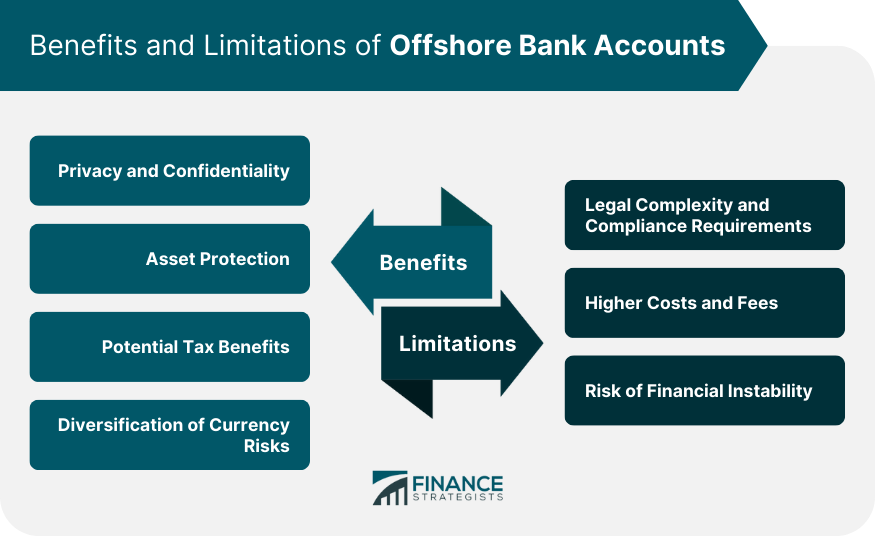
Opening Offshore Financial Institution Accounts
Opening up overseas checking account includes understanding the numerous account kinds readily available, which can deal with various monetary demands. Furthermore, the documentation process is crucial, as it commonly calls for details forms of recognition and proof of home. This review will clarify the choices and requirements for individuals and companies looking for to establish offshore financial connections.
Account Kind Supplied
Offshore savings account come in numerous kinds, each developed to accommodate various economic demands and objectives. Individual accounts are customized for individuals seeking privacy and property protection, while corporate accounts facilitate service deals and monitoring of business funds. Multi-currency accounts are preferred among international financiers, enabling transactions across different money without too much conversion fees. Furthermore, interest-bearing accounts offer rate of interest on down payments, attracting those looking to expand their assets safely. Some financial institutions additionally provide financial investment accounts, providing clients accessibility to different financial investment opportunities. Each account kind may come with distinct benefits and functions, permitting customers to pick the one that aligns finest with their economic techniques and goals. Understanding these options is essential for effective offshore financial.
Called For Paperwork Refine
To successfully see this here open an overseas financial institution account, possible customers must prepare a set of certain documents that satisfy regulatory needs. This typically includes a legitimate copyright or government-issued identification to validate identity. Clients are likewise required to offer evidence of house, such as an utility expense or copyright, dated within the last 3 months. In addition, a thorough description of the resource of funds is essential to guarantee conformity with anti-money laundering guidelines. Some financial institutions may request a company plan or referral letters, especially for business accounts. Each jurisdiction may have unique requirements; as a result, speaking with a specialist in overseas solutions is recommended to establish all documentation is complete and accurate, helping with a smoother account opening process.
Compliance and Regulative Considerations
Maneuvering the complexities of conformity and regulative considerations is important for any entity seeking overseas firm developments. Entities should stick to different international and neighborhood laws that control economic tasks, taxation, and corporate governance. Trick regulations typically consist of anti-money laundering (AML) legislations, recognize your consumer (KYC) protocols, and reporting requirements to assure openness.
In addition, firms should remain attentive regarding changes in regulation that may impact their functional condition. Failure to abide can cause severe penalties, consisting of penalties or the dissolution of the business. Engaging with legal and economic experts that specialize in overseas guidelines can supply crucial advice in steering with these intricacies.
Furthermore, recognizing the implications of tax obligation treaties and global agreements is essential for keeping compliance. Companies should focus on developing durable compliance structures to alleviate threats and assure long-lasting sustainability in their overseas ventures.
Choosing the Right Offshore Jurisdiction
Exactly how does one establish the most suitable overseas territory for business formation? The selection of jurisdiction is critical and includes a number of factors. First, one must evaluate the legal framework and laws controling companies in prospective territories. Desirable tax regimes, such as low or absolutely no business taxes, are commonly a main consideration. Additionally, the political security and track record of the jurisdiction play considerable roles in making sure the defense of possessions and conformity with international standards.
The availability of financial solutions and the simplicity of doing service must not be ignored. A jurisdiction offering robust discretion arrangements can also be helpful for those seeking personal privacy. Examining the prices associated with business formation, upkeep, and prospective lawful fees is crucial. By evaluating these factors, one can make a notified decision, guaranteeing that the chosen offshore territory aligns with their service goals and functional needs.
Frequently Asked Questions
The length of time Does the Offshore Company Development Refine Commonly Take?

The overseas company formation procedure typically takes anywhere from a couple of days to a number of weeks. Offshore Company Formations. Variables influencing this timeline consist of jurisdiction, documents efficiency, and particular provider involved in the development process
What Are the Initial Prices Involved in Establishing an Offshore Business?
The first expenses for establishing up an offshore firm can vary commonly, normally encompassing enrollment fees, legal costs, and surcharges for solutions like financial institution account arrangement and conformity, often completing several hundred to several thousand dollars.
Can People Form Offshore Companies Without Expert Support?
People can technically create offshore firms individually; nonetheless, they commonly encounter complex lawful and regulative needs. Offshore Company Formations. Professional aid is recommended to browse these challenges efficiently and ensure compliance index with relevant regulations and guidelines
What Records Are Needed for Offshore Firm Registration?
The records needed for overseas company registration normally include recognition evidence, an in-depth company plan, proof of address, and, in some jurisdictions, a declaration of helpful ownership and resolutions from directors.
Are There Recurring Maintenance Costs for Offshore Firms?
Continuous maintenance charges for overseas firms are commonly needed to assure conformity with local regulations. These costs may include annual revival fees, signed up representative solutions, and bookkeeping, varying by jurisdiction and details company structure.
